 Keto
How to Make Cloud Bread Sturdier for Sandwiches
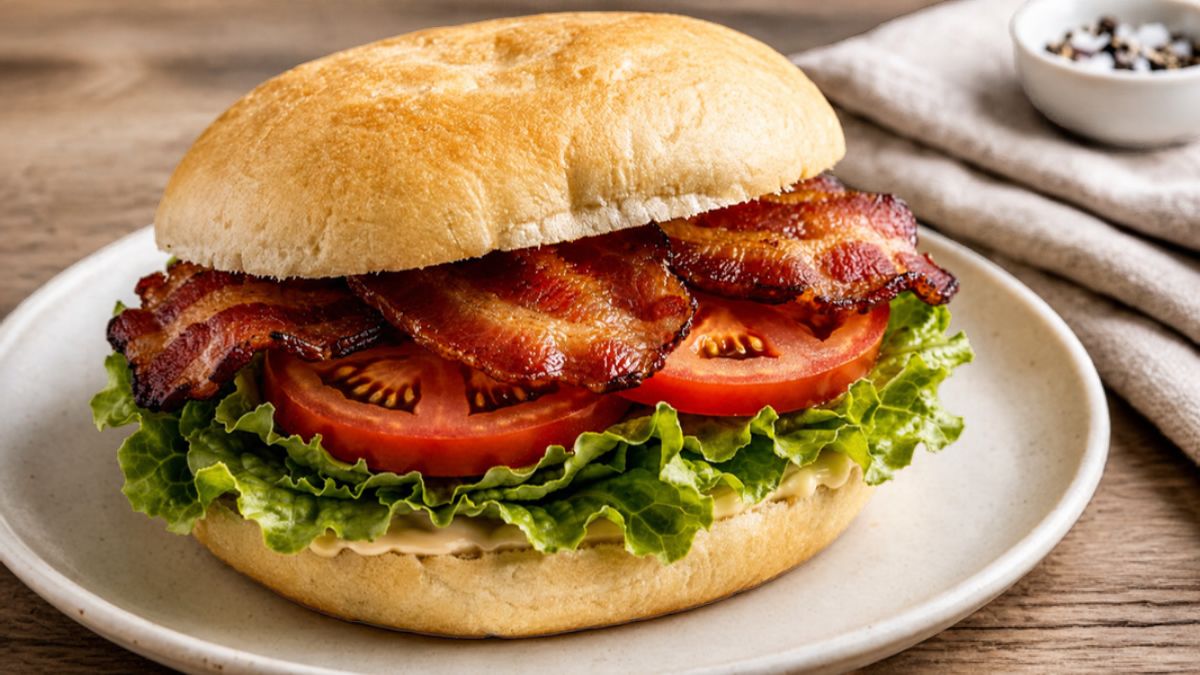
Cloud bread is light because it's mostly air held up by egg protein. That's also why it can tear under a juicy burger or go soggy under tomato slices. The good news is that a few changes to how you bake, rest and assemble it make a big difference. Here are eight that work with the recipes already on KetoCloud.
Why cloud bread falls apart
There's no flour and no gluten in cloud bread, so nothing forms the stretchy network that holds regular bread together. Its structure comes from whipped egg whites that set in the oven. If the foam was weak, the bread was under-baked, or the filling is wet, the rounds give way. Each fix below targets one of those causes.
1. Whip the whites properly
A sturdy round starts with a strong foam. Beat the whites with cream of tartar until they hold stiff peaks and stay put when you tip the bowl, then fold gently. Our step-by-step guide to whipping and folding egg whites shows what to look for.
2. Bake until deep golden
Pale cloud bread is soft in the middle and collapses as it cools. Bake until the tops are an even golden brown and the edges feel firm. For thicker shapes like buns, that can mean the full 30 minutes or a little more at 300°F (150°C).
3. Make thicker pieces
A 1/2-inch round is fine for toast, but a 1-inch bun holds a burger far better. Scoop taller mounds and don't flatten them. The cloud bread burger buns recipe is built for exactly this, and our guide to cloud bread shapes and sizes gives bake times for every shape.
4. Add a little cheese
Finely shredded cheese melts into the batter and firms up as it cools, giving the crumb more body. Cheddar cloud bread is noticeably sturdier than the classic version, and Parmesan does a similar job in the garlic herb version. Shred your own cheese; pre-shredded cheese is coated to stop clumping and doesn't melt in as evenly.
5. Use a pinch of baking powder
About 1/4 teaspoon of baking powder in the yolk mixture of a 4-egg batch gives a little extra lift and a slightly firmer, more even crumb. It's optional, and it's one of the reasons the burger bun recipe holds up well.
6. Rest it overnight
Fresh cloud bread is crisp outside and airy inside, which makes it brittle. After a night sealed in a zip-top bag, it turns soft and bendable, and it's much less likely to crack when you bite into a sandwich. The storage and freezing guide covers how to keep it.
7. Toast the cut side
Thirty seconds in a dry skillet or a toaster oven dries the surface and makes a thin crust that resists moisture. Toast the side that touches the filling, just before you build the sandwich.
8. Build the sandwich to keep moisture out
- Put a "barrier" layer against the bread: a slice of cheese, a lettuce leaf or a thin spread of mayonnaise.
- Pat tomatoes, pickles and other wet fillings dry with a paper towel.
- Let hot fillings like burger patties rest for a minute so their juices don't run straight into the bun.
- Assemble right before eating instead of packing a finished sandwich for later.
Sandwiches to try
Put these tips to work with the cloud bread breakfast sandwich, the classic cloud bread BLT or a hot dog in cloud bread hot dog buns. For more ideas, see our cloud bread meal ideas.
When cloud bread isn't the right choice
Even a well-made round won't behave like a sourdough slice. For very saucy or heavy fillings, such as a meatball sub, a denser keto bread may suit you better. Our comparison of cloud bread and other keto breads explains the trade-offs.
Published November 25, 2026. Nutrition figures are estimates (see how we calculate them). KetoCloud shares general information, not medical advice.