 Keto
Why Whipped Egg Whites Work: The Science Behind Cloud Bread
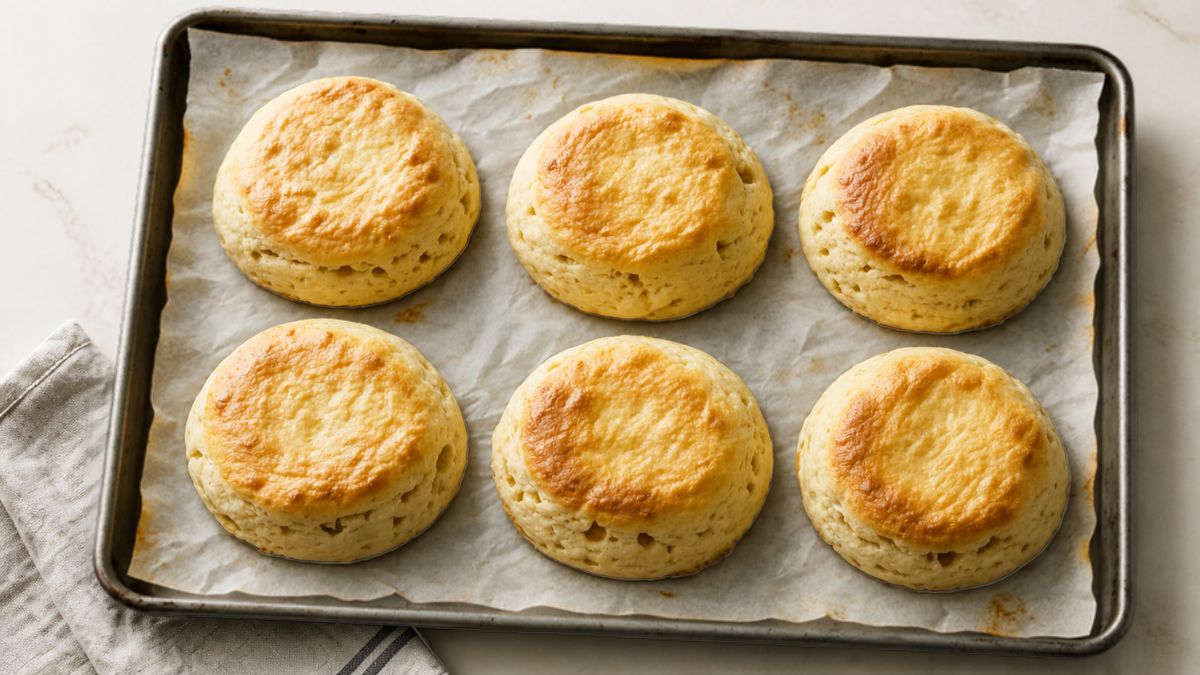
Cloud bread has no flour, no gluten and no yeast, yet it rises into a tall, tender round. The entire structure comes from one ingredient treated carefully: whipped egg whites. Understanding why that works makes every batch more reliable.
What an egg white actually is
An egg white is roughly 90 percent water and 10 percent protein. Those proteins start out as tightly folded coils floating in the water. They do nothing for structure until you give them a reason to change shape.
Whipping unfolds the proteins
When you whisk, two things happen at once. You beat air into the liquid, creating bubbles, and the mechanical force unfolds (denatures) the protein coils. The unfolded proteins gather around each bubble's surface, where one end prefers water and the other prefers air. They link to one another and form a thin, flexible film that holds the bubble in place. More whisking means smaller bubbles and a denser network, which is why the foam turns from foamy to glossy to stiff.
Heat sets the structure
In the oven, the trapped air expands and the proteins in the bubble walls firm up (coagulate), turning the foam into a solid sponge. That is the “bread.” Because there is no starch network from wheat, the texture is closer to a delicate meringue-soufflé hybrid than to dough.
Why yolks and cream cheese are folded in
Whites alone bake into something dry and brittle. Yolks and soft cheese add fat and moisture that make the crumb softer and add flavor. They also add weight, which is why they must be folded in gently rather than stirred: every aggressive stroke pops bubbles.
Why acid helps
A small amount of acid, usually cream of tartar, makes the foam more stable. It slows protein bonding enough that the network is less likely to over-tighten and collapse or turn grainy. If you have no cream of tartar, a few drops of lemon juice or white vinegar do a similar job.
Why fat is the enemy
Even a small amount of yolk or grease in the whites weakens the foam because fat competes with proteins at the bubble surface. That is why recipes tell you to separate eggs carefully and use a clean, dry metal or glass bowl. Plastic bowls can hold onto a greasy film even after washing.
Temperature and age
Room-temperature whites whip faster and reach more volume than cold ones, but cold eggs separate more cleanly. A practical approach is to separate the eggs cold, then let the whites sit for 20 to 30 minutes before whipping.
The signs of a good foam
- Soft peaks: the tip curls over when you lift the whisk.
- Stiff peaks: the tip stands straight up and the bowl can be tipped without the foam sliding. This is the target for cloud bread.
- Overwhipped: the foam looks dry, lumpy or curdled. It has lost water and will not fold smoothly.
Why batches deflate
Most flat cloud bread traces back to the foam: fat in the bowl, whites not whipped stiff enough, folding too hard, or waiting too long before baking. Our guide on why cloud bread goes flat covers troubleshooting in detail, and how to whip and fold egg whites walks through the technique step by step.
Published November 21, 2026. Nutrition figures are estimates (see how we calculate them). KetoCloud shares general information, not medical advice.